Health Benefits of Limes
Immunity and Antioxidant Support
Lime is a concentrated source of vitamin C, which supports the function of immune cells and helps the body respond to pathogens. Vitamin C acts as a water‑soluble antioxidant that helps neutralize free radicals and reduce oxidative stress in tissues.
The flavonoids and polyphenols in lime add another layer of antioxidant protection, working alongside vitamin C to modulate inflammatory signaling. Regular intake of vitamin C–rich foods is associated with shorter duration and milder symptoms of common respiratory infections in many clinical and observational contexts.
Appetite Regulation and Digestive Health
Lime’s acidity stimulates gastric secretions, which can help break down food and improve nutrient absorption when consumed with meals. The fruit contains soluble fibers such as pectin that act as mild prebiotics, feeding beneficial gut bacteria and supporting regularity. Many people find that warm or room‑temperature lime water soothes mild indigestion and reduces bloating, likely because of the combined effects of acid stimulation and gentle fiber.
The citric acid in lime also helps solubilize (That’s a word. We checked) certain mineral complexes and can reduce the formation of small mineral deposits in the urinary tract. Because lime is low in calories but high in flavor, it can be used to enhance satiety signals in beverages and meals without adding sugar - which we all know can contribute to those extra pounds if we’re not careful.
Cardio and BP
Lime contributes to cardiovascular health through several complementary mechanisms: it supplies potassium, which helps balance sodium and supports healthy blood pressure; it provides soluble fiber that can help lower LDL cholesterol - and its antioxidants reduce oxidative stress that damages blood vessels. The flavonoids in lime improve endothelial function, helping blood vessels dilate and maintain healthy circulation.
The Kidney and the Pee
Lime contains citric acid, which increases urinary citrate levels and helps prevent the formation of calcium‑oxalate kidney stones by binding calcium and inhibiting crystal aggregation. Regular consumption of citrus juices that are high in citrate has been shown to reduce the recurrence of certain types of kidney stones in people prone to them.
For individuals with a history of stones, consistent, moderate intake of citrus‑based beverages can be a practical dietary strategy alongside medical guidance. As always, people with existing kidney disease or complex metabolic conditions should consult a clinician before making major dietary changes.
Skin Health and Collagen Support
Here’s a surprise. Lime’s vitamin C is essential for collagen synthesis, the structural protein that keeps skin resilient and elastic. Antioxidants in lime protect skin cells from oxidative damage caused by UV exposure and environmental pollutants, which helps slow visible signs of aging. The flavonoids and polyphenols in lime also support microcirculation and reduce inflammation, which can improve skin tone and healing.
Metabolic and Glycemic Balance
Lime is low in digestible sugars and high in flavor, which makes it an excellent in reducing added sugars in beverages while maintaining palatability. Sometimes things need that extra oomph, you know? The soluble fiber and acidity slow gastric emptying and blunt postprandial glucose spikes when lime is consumed with carbohydrate‑containing meals or drinks.
Why Limes Make the Perfect Juice Ingredient?
A squeeze of fresh lime juice electrifies your juices with immune-enhancing vitamin C. It also boosts them with potent antioxidants that neutralize free radicals. Lime juice even aids iron absorption in plant-rich blends, making a daily splash add super delicious and beneficial at the same time.
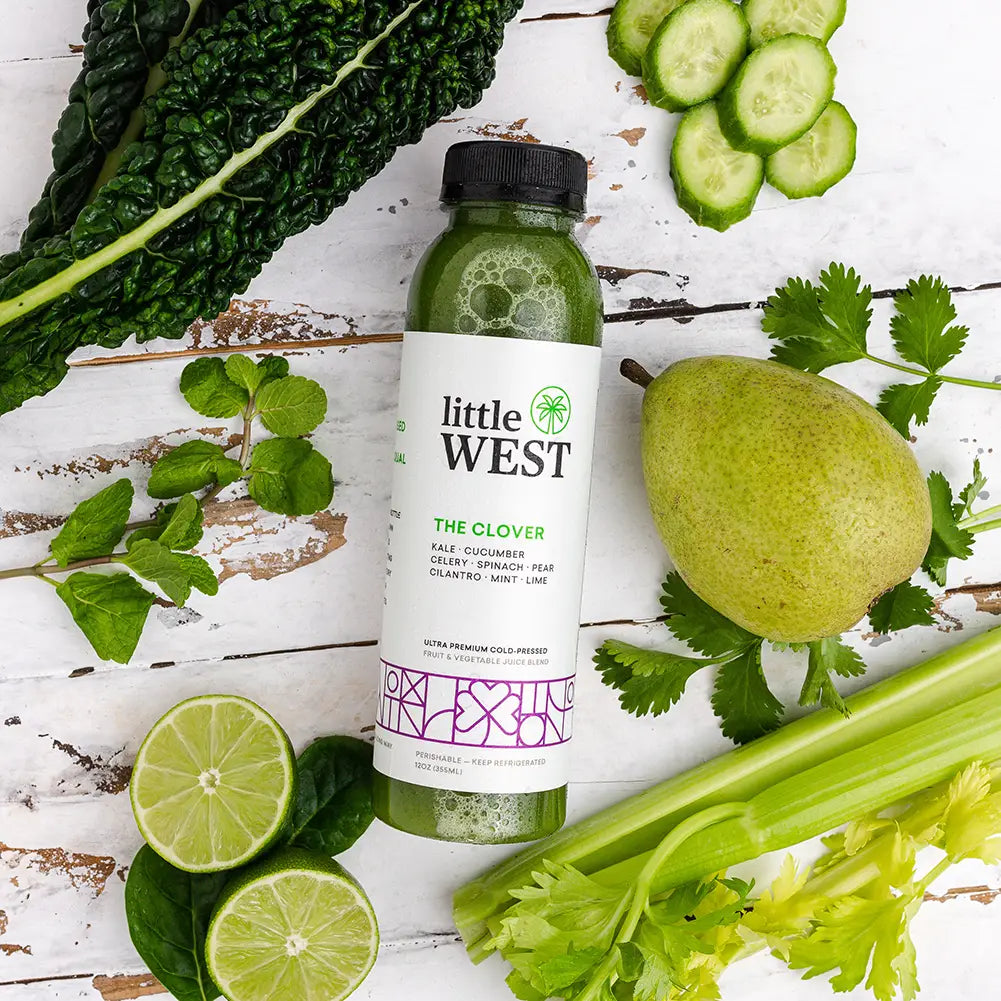
Not too limey, but still undeniably tasty, Clover and The Quench contains the tangy citrus! Limes can get too sour if you just them by themselves - though some people luke that! What Little West does is introduce other ingredients to the juice to make them taste good and be good for you.
How to Incorporate Limes into Your Diet
Try these quick ideas:
- Recipes can call for a zest of lime.
- Dress and marinade with limes.
- A simple garnish.
Cold pressed juice blends are always a favorite. They’re a step up from a simple lime-infused water and so much better than lime sodas.
Are Limes for Everyone?
Yes, if…
- You need all that vitamin C!
- Your recipes call for a little acidity.
No if…
You have sensitive teeth (citric acid can erode enamel).
Scientific Studies:
References
Related Blogs